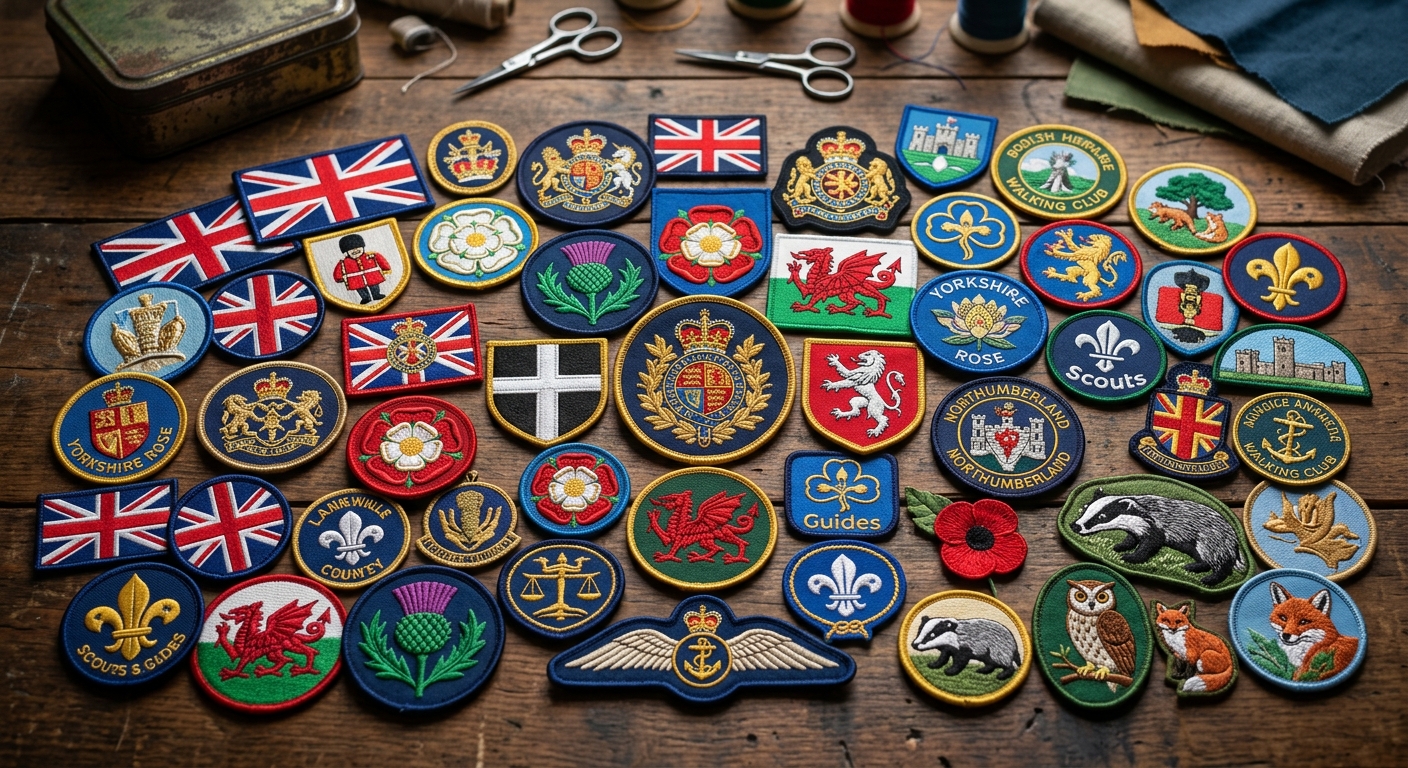
Personalised embroidered badges are a popular way to add character to clothing, promote a business and create a recognisable identity for a group or organisation. With stitched designs, distinctive colours and flexible shapes, these badges can transform ordinary garments into something more individual and professional.
Across the UK, embroidered badges are used on workwear, school uniforms, sports clothing, jackets, bags and fashion accessories. Whether you need a badge displaying a company logo, a club emblem or a personal design, choosing the right material and finish can help you achieve the appearance you want.
Embroidered badges combine traditional stitching with modern design possibilities, making them suitable for a wide range of personal and commercial applications. From a small badge on a shirt pocket to a detailed emblem on a jacket, the right design can make clothing more distinctive.
Before choosing a badge, it is useful to understand the available styles, backing options, materials and design considerations. This guide explains what to look for when ordering personalised embroidered badges in the UK and how to make a suitable choice for your project.
What Are Personalised Embroidered Badges?
Embroidered badges are fabric-based decorations made by stitching coloured threads into a design. The stitching creates a textured surface that gives the badge a traditional appearance and distinguishes it from a flat printed design.
Personalisation allows you to include your own artwork, lettering, initials, symbols or business logo. Depending on the design and manufacturer's capabilities, badges can be produced in different dimensions, shapes and colour combinations.
Unlike direct embroidery on clothing, a separate badge can be manufactured before being attached to a garment. This makes it useful for businesses that want the same logo across several clothing styles without having the design stitched directly into each item.
For example, a company may use matching badges on staff jackets and work shirts, while a sports club may choose an embroidered emblem for team clothing. Independent designers can also incorporate badges into fashion collections, bags and accessories.
The finished appearance depends on the quality of the artwork, the thread colours, the stitching density and the finishing method. A clear design with suitable proportions can help produce a badge that looks professional and remains recognisable at its intended size.
Why Choose Embroidered Badges?
Embroidered badges offer several advantages for personal, professional and promotional applications. They combine a distinctive appearance with flexible design options, making them suitable for many different projects.
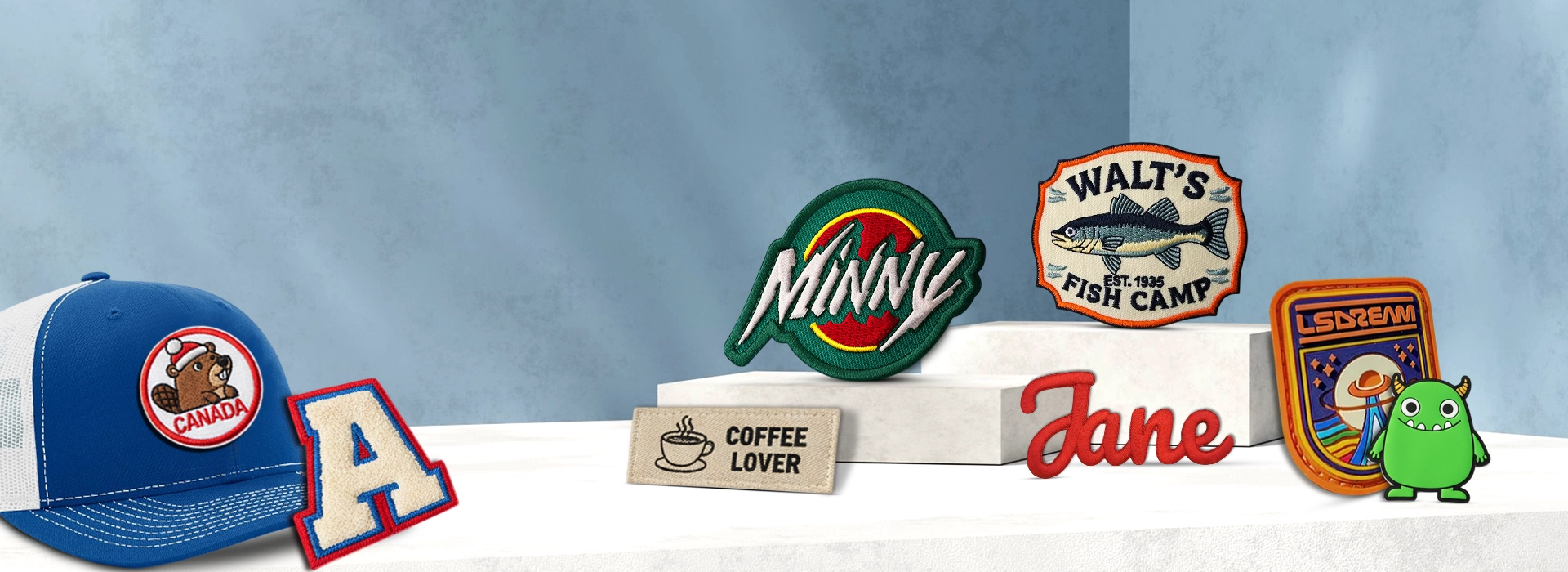
Textured appearance: Stitched thread creates depth and a distinctive finish that stands out against fabric. This traditional appearance works well for logos, crests, lettering and decorative artwork.
Personalised artwork: Designs can include names, logos, symbols, short messages and illustrations. This gives individuals and organisations the freedom to create a badge that reflects their identity.
Flexible placement: Suitable badges can be attached to jackets, uniforms, bags, hats and other fabric products. Their separate construction makes them useful for different garment styles.
Consistent branding: Businesses and organisations can use matching designs across different garments, helping create a coordinated appearance for staff and promotional clothing.
Variety of styles: Different shapes, borders, colours and backing methods allow you to tailor the badge to your requirements.
Suitable for different projects: From personal gifts to school emblems and business uniforms, embroidered badges can be adapted to suit different purposes.
For the best result, choose a design that suits the size of the badge. Very small lettering and intricate lines may need simplifying so that the finished embroidery remains clear. Discussing these details before production can help you make a more informed decision.
Personalised Badges for Businesses
Businesses often use embroidered badges to identify staff and maintain a consistent brand image. A well-designed badge can display a company name, logo or department identifier on suitable workwear.
Industries such as hospitality, retail, construction and customer service may use badges on uniforms and jackets. They can also be useful for events, exhibitions and promotional clothing where a consistent visual identity matters.
For a business, the badge should be easy to recognise and appropriate for the clothing on which it will appear. A design worn on the chest may need different dimensions from one placed on a sleeve or bag.
When creating a badge for business use, consider your brand colours and the placement of the design. Keep the artwork clear and make sure the logo remains recognisable at the finished size. If your design includes small text, discuss the details with the manufacturer before approving production.
It is also worth considering how the badges will be used. Staff working in an office may have different requirements from employees who work outdoors or wear protective clothing. The fabric, attachment method and washing requirements should all be taken into account.
For larger orders, keeping the final artwork and specifications consistent can make future reordering easier. This can help a business maintain a uniform appearance when new staff members join or existing garments need replacing.
School, Club and Team Badges
Embroidered badges are widely suited to schools, sports clubs, community groups and other organisations that want to display a shared identity.
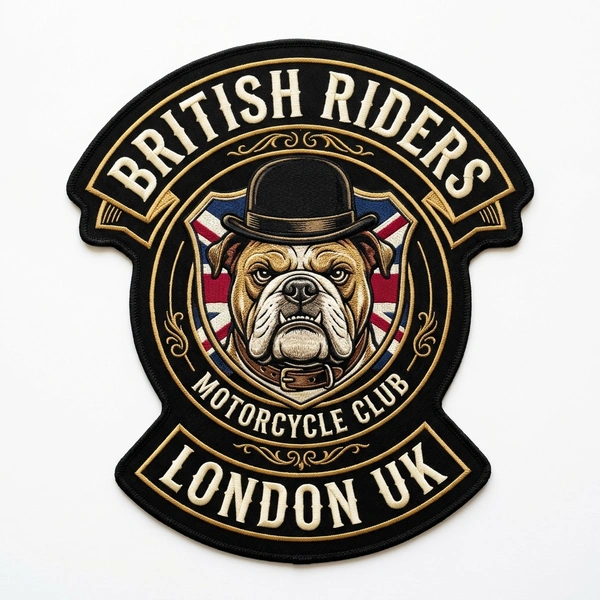
A school badge can feature an emblem, initials or other identifying artwork. Sports clubs may use badges to display team colours, club names or symbols, while community groups can create designs that represent their activities.
For school uniforms, a badge should be clear, appropriately sized and suitable for the garment material. The design may need to remain recognisable on different items, such as jumpers, blazers and sportswear.
Sports teams may prefer bold colours and simple symbols that are easy to recognise. Community groups and hobby clubs can take a more creative approach, using illustrations or lettering that reflects their interests.
Consistency is especially important when badges are ordered for multiple members. Confirm the approved colours, dimensions and wording before production to reduce the risk of differences between batches.
The attachment method should also suit the garments involved. School uniforms and sportswear may have different fabric compositions and care requirements, so the backing should be chosen accordingly.
If an organisation expects to order more badges in the future, keeping a record of the approved design and specifications can make repeat orders more straightforward.
Choosing the Right Badge Design
The design is one of the most important parts of creating a successful embroidered badge. A strong design should be attractive, readable and suitable for stitching.
Before finalising your artwork, think about the purpose of the badge, the audience it is intended for and the location where it will be attached. A badge for a professional uniform may require a different style from one designed for a fashion accessory or personal gift.
Select Suitable Colours
Choose colours that complement the garment and provide sufficient contrast. If the badge represents a business or organisation, use its established brand colours where possible.
For example, dark lettering on a light background may improve readability, while contrasting thread colours can make a symbol stand out. Too many similar shades may make individual elements difficult to distinguish.
Keep in mind that thread colours may not match digital screen colours exactly. Ask about available thread shades if precise colour consistency matters. If the badge is part of a wider branding project, provide the supplier with any relevant colour specifications.
Make Lettering Readable
Names and short phrases generally work better than long lines of tiny text. The badge needs enough space for the letters to remain distinguishable once stitched.
If the wording is essential, consider increasing the badge size or simplifying other elements. A short business name or abbreviation may be easier to reproduce than a long sentence.
The lettering style also matters. Highly decorative fonts can look attractive, but their details may become difficult to recognise when reduced to a small size.
Choose an Appropriate Shape
Circular, rectangular, oval and shield-shaped badges are common choices. Other outlines may be possible depending on the artwork and manufacturing method.
Choose a shape that supports the design rather than squeezing it into an unsuitable space. A crest may suit a shield-shaped outline, while a compact company logo may work well within a circle or rectangle.
The outer border should complement the artwork and leave enough room for the design to remain clear.
Consider the Placement
Think about where the badge will be attached before finalising its dimensions. A design for a shirt pocket may need to be smaller than one intended for the back of a jacket.
Measuring the available space can help you choose proportions that look balanced on the finished garment. Consider seams, pockets, buttons and other features that could affect the placement.
If the same design will be used on several garment types, check whether one size will work across all of them or whether separate dimensions would produce a better result.
Embroidered or Woven Badges?
Embroidered and woven badges may look similar at first, but their construction produces different finishes. Understanding these differences can help you select the right option for your artwork.
Embroidered badges use stitching on a fabric base, creating a raised texture. They are often suitable for bold logos, traditional emblems and designs where a tactile appearance is important.
Woven badges use finer threads woven together to create the artwork. Their flatter surface can make them suitable for detailed designs and smaller lettering.
If your artwork contains thick lines, simple shapes or a traditional crest, embroidery may be a suitable choice. For very fine details, woven construction may be worth considering.
For example, a club emblem with a large central symbol and bold lettering may work well as an embroidered badge. A clothing label containing small text or delicate linework may benefit from a woven design.
Neither option is automatically better for every project. The best choice depends on the artwork, dimensions, intended use and budget. Ask your supplier to review the design if you are unsure which method will reproduce it most clearly.
Sew-On, Iron-On and Hook-and-Loop Backings
The backing determines how the badge attaches to the garment or accessory. Different options suit different materials and uses, so it is important to consider the attachment method before placing an order.
Sew-On Backing
Sew-on badges are attached using thread. This is a versatile option for many fabric garments and can provide a secure attachment when sewn correctly.
It may be particularly suitable for uniforms, denim jackets, bags and clothing that receives frequent use. Sew-on attachment also allows the badge to be restitched if the thread becomes loose.
The main consideration is that application requires sewing. If you are ordering badges for a large number of garments, you may need to account for the time required to attach each one.
Iron-On Backing
Iron-on badges use heat-activated adhesive to bond with compatible fabrics. They can be convenient when you want to apply a badge without sewing.
However, not all fabrics tolerate the required heat, and some finishes may prevent the adhesive from bonding properly. Always check the garment care label and the manufacturer's application instructions.
The recommended temperature, pressure and application time can vary between products. Applying excessive heat may damage the garment or affect the badge.
For clothing that experiences frequent washing or heavy use, consider whether additional stitching would be suitable for the fabric and product.
Hook-and-Loop Backing
Hook-and-loop backing allows a badge to be removed and replaced when used with a compatible panel. This can be useful for selected uniforms, bags and equipment where removable identification is required.
Before ordering, check whether the badge needs the hook side, the loop side or both components. Also consider whether the extra thickness is suitable for the garment or equipment.
Choosing the Best Attachment Method
Before selecting a backing, consider how often the garment will be washed, whether the badge needs to be removable and what material it will be attached to.
A badge for a denim jacket may have different requirements from one intended for lightweight sportswear. If you are unsure, explain the intended application to the manufacturer and ask which option is appropriate.
How Much Do Embroidered Badges Cost?
The price of personalised embroidered badges depends on the specifications of the order. Factors that commonly affect the cost include size, design detail, thread coverage, backing, quantity and finishing requirements.
Larger badges generally require more material and stitching. Detailed artwork may need additional preparation and production time, while extensive thread coverage can increase the amount of stitching required.
The backing may also affect the final price. Different attachment methods involve different materials and production requirements.
Order quantity is another important consideration. Larger orders may offer a lower cost per badge, depending on the supplier, while small orders may have a higher unit price because setup costs are spread across fewer items.
For an accurate comparison, provide suppliers with the same artwork, dimensions, quantity and backing requirements.
Ask whether the quotation includes design preparation, setup fees, samples, taxes and delivery. This helps you compare the total cost rather than focusing only on the price per badge.
If you are ordering for a business or organisation, consider requesting a proof or sample where available before approving a larger batch. Checking the appearance and dimensions in advance may help prevent costly changes later.
The most suitable option is not necessarily the cheapest. Consider whether the quality, finish and attachment method are appropriate for the intended use.
How to Order Personalised Badges
Preparing your requirements before ordering can make the process easier and help the manufacturer understand what you need.
Prepare the artwork. Supply a clear logo, illustration or design file. Check which formats your chosen supplier accepts. If you only have a rough idea, ask whether artwork preparation is available.
Confirm the size. Measure the area where the badge will be placed and decide on suitable dimensions. Remember that small details may need more space to remain readable.
Choose the colours. Specify preferred thread colours and provide brand guidelines if applicable. Strong contrast can help the finished design remain recognisable.
Select the backing. Decide whether sew-on, iron-on or hook-and-loop attachment is most suitable for the garment.
Confirm the quantity. State how many badges you need and whether you are ordering several designs. Minimum quantities may vary between manufacturers.
Review the proof. Check spelling, colours, layout, proportions and dimensions before approving production. Make sure the design matches your requirements.
Check delivery details. Confirm the estimated production schedule, delivery costs and any deadline that matters to your project.
If you are considering an order through British Custom Patches, visit britishcustompatches.co.uk to explore the available options and check the details relevant to your requirements.
Providing clear specifications at the beginning can help reduce misunderstandings and make the ordering process more efficient.
Caring for Embroidered Badges
Proper care can help maintain the appearance of an embroidered badge and the garment to which it is attached.
Always follow the garment's care label and any instructions supplied by the badge manufacturer. The correct cleaning method depends on the fabric, thread, backing and attachment technique.
Turning a garment inside out before washing may help reduce friction against the embroidered surface. Use a washing cycle suitable for the garment and avoid harsh cleaning products unless they are appropriate for the material.
For iron-on badges, check whether the product is suitable for tumble drying, as heat may affect some adhesive backings. Do not assume that every badge can tolerate the same washing or drying conditions.
Inspect the edges occasionally for loose stitching or lifting. A sew-on badge may be restitched if necessary, while an adhesive-backed badge should be repaired according to the manufacturer's guidance.
If a garment is used for work or sport and washed frequently, choosing a suitable backing and following the recommended care instructions are particularly important.
Where the care requirements of the garment and badge differ, follow the guidance that protects the item and its attachment method. If you are uncertain, ask the supplier for specific care advice.
Common Mistakes to Avoid
A few simple precautions can help prevent problems when ordering personalised badges.
Using overly complicated artwork: Tiny text and fine lines may not reproduce clearly in embroidery. Simplify the design where necessary or discuss a suitable size with the manufacturer.
Choosing the wrong size: A badge that is too small may hide important details, while an oversized design may look out of proportion. Measure the intended placement before confirming the dimensions.
Ignoring fabric compatibility: Not every backing works with every garment. Confirm the intended use before ordering, particularly if the material is heat-sensitive or has a special coating.
Skipping proof checks: Review the artwork carefully to catch spelling errors, incorrect colours or alignment issues. These details can be difficult to correct after production.
Comparing prices without matching specifications: A meaningful comparison requires the same dimensions, construction, backing and quantity.
Forgetting future requirements: If you expect to order more badges later, keep a copy of the approved artwork and specifications so that repeat orders can follow the same design.
Planning these details before production can help you achieve a better result and avoid unnecessary changes.
Conclusion
Personalised embroidered badges offer a versatile way to represent a business, identify a team or add an individual touch to clothing and accessories. Their stitched texture and flexible design options make them suitable for uniforms, school clothing, sportswear, jackets and promotional merchandise.
Choosing the right design, size, colours and backing is essential for achieving a professional finish. Clear artwork, readable lettering and a suitable attachment method can help ensure that the badge works well for its intended purpose.
Before placing an order, consider how the badge will be used, how often the garment will be washed and whether the design needs to be reproduced in the future. Comparing specifications and checking the production details can help you make an informed decision.
Whether you need a badge for personal use, a school, a sports club or a larger organisation, careful planning can help you achieve a result that reflects your requirements.
Visit British Custom Patches to explore your options and plan a badge design that suits your clothing, brand or project.
Discussion & Feedback 0
Write a CommentNo comments yet
Have a question or feedback regarding this topic? Be the first to share your thoughts below!
Leave a Reply
Your email address will not be published. Required fields are marked *