Patch Washing & Laundering Care Instructions
Preserve crisp embroidery threads, vibrant Pantone colours, and rock-solid adhesive bonds. Discover our certified laundering guidelines detailing temperature settings, wash cycles, drying methods, and emergency edge repairs across embroidered, PVC, leather, and woven patches.

Share your details for an instant digital stitch preview & wholesale pricing.


Patch Laundering Reference Table by Patch Type
Different patch styles require specific laundering approaches to prevent adhesive degradation, thread friction, or heat warping. Reference our certified care parameters below.
| Patch Style & Backing | Water Temperature | Recommended Cycle | Dryer Safety | Ironing Guidelines | Key Laundering Precaution |
|---|---|---|---|---|---|
| Embroidered (Iron-On Backing) Heat-activated glue bond | Cold (Under 30°C / 85°F) | Delicate / Gentle Cycle | Air Dry Recommended (or Low heat) | Iron inside out with pressing cloth. Never touch bare embroidery. | No Fabric Softeners. Liquid softeners dissolve hot-melt glue bonds. |
| Embroidered (Sew-On Backing) Permanent thread stitch | Warm (Under 40°C / 105°F) | Normal or Perm Press | Tumble Dry Safe (Low to Medium) | Medium heat with thin cotton towel overlay. | Avoid chlorine bleach which weakens synthetic thread luster. |
| Custom PVC Rubber (Velcro) Waterproof silicone/PVC | Cold to Warm Water | Hand Wash or Gentle | Air Dry Only | NEVER IRON! Direct iron heat instantly melts PVC rubber. | Detach Velcro patches before placing garments in washing machine. |
| Laser-Engraved Genuine Leather Natural bovine hide | DO NOT MACHINE WASH | Spot Clean Only | NO DRYER (Air dry away from heat) | NEVER IRON LEATHER! | Wipe surface gently with damp microfiber cloth; condition with leather balm seasonally. |
| Varsity Chenille Patches Loop wool yarn & felt | Cold Water (Hand Wash) | Gentle Wool Cycle | Lay Flat to Dry | Steam from reverse side only; never press flat. | Never wring or twist chenille pile; heavy agitation crushes fluffy loops. |
| Custom Woven Patches Ultra-tight micro-thread weave | Cold to Warm (30°C) | Standard Gentle Cycle | Tumble Dry Low or Line dry | Warm iron with damp press cloth. | Turn garment inside out to shield ultra-fine detail threads from zipper abrasion. |
The Golden 5 Rules of Custom Patch Care
Follow these five fundamental rules to ensure your custom patches stay vibrant, intact, and firmly bonded for the lifetime of your garments.
Always Turn Inside Out
Turning your jacket, hoodie, or jersey inside out before washing shields the delicate embroidery threads, merrowed borders, and chenille loops from abrasive drum friction, metal buttons, and abrasive zippers.
Wash in Cold Water
Always use cold or lukewarm water (under 30°C / 85°F). Hot water cycles soften the polyamide thermo-glue backing on iron-on patches, causing edges to lift and puckering surrounding fabrics.
Zero Fabric Softener
Liquid fabric softeners and dryer sheets deposit silicone lubrication chemicals onto fibers. These chemicals penetrate behind the patch and systematically dissolve the adhesive bond over time.
Air Dry or Low Tumble
Hang drying on a wooden hanger is best. If machine drying, choose the lowest heat setting. High dryer temperatures are the #1 culprit responsible for peeling iron-on patches and warped PVC badges.
Detach Velcro Before Wash
Always remove detachable Velcro (hook & loop) patches before putting tactical carriers or jackets in the wash. Exposed hook bristles catch on knitwear, collect lint, and lose their gripping strength.
Use a Pressing Cloth
When pressing wrinkled garments, never touch a bare hot iron face to embroidered polyester threads or leather crests. Always place a clean cotton handkerchief or Teflon sheet over the patch first.
How to Fix a Lifting Iron-On Patch Edge
If an iron-on patch begins peeling at an edge after repeated laundering, you can re-activate the thermo-adhesive in under 60 seconds without sewing.
Industrial colourfast Threads Tested for High-Stress Conditions
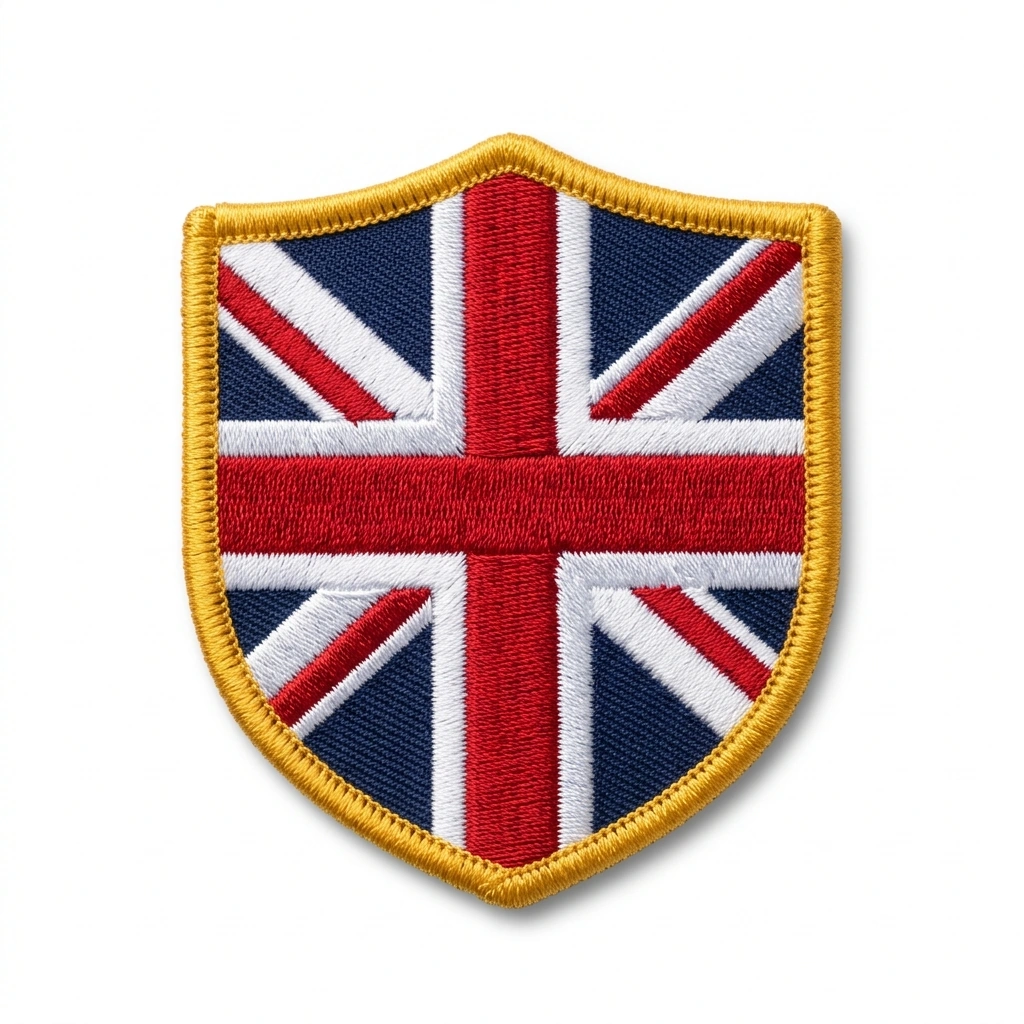
From active duty tactical teams to high-impact sports uniforms, British Custom Patches utilizes 100% colourfast trilobal polyester and rayon embroidery threads engineered to withstand repeated heavy laundering.
Our patch adhesives are formulated specifically to retain strong flexibility across varying climates, ensuring workwear, motorcycle cuts, and team apparel maintain tight adhesion.
Every patch order includes free digital proofs, exact Pantone PMS colour matching, and tracked UK delivery via Royal Mail, DPD, or UPS.
Real Reviews From British Custom Patches Buyers
Trusted by businesses, sports clubs, emergency services, and outdoor brands across the United Kingdom.

"Ordered 45 full back patch sets for our riding club. The merrowed borders were clean, embroidery coverage was 100% thick, and the leather backings held up perfectly to heavy wind and road wear. Absolutely elite craftsmanship."

"The 30cm back patches for our denim jacket drop came out stunning. The metallic gold thread accents and dense twill base exceeded every expectation. Our customers are raving about the stitch quality."

"We needed heavy-duty sew-on back crests that survive intense grappling and weekly high-heat laundering. These patches have zero fraying and look brand new after months on the mat."

"We outfitted our tactical security unit with custom PVC and Velcro hook-and-loop patches. The weather-resistance and crisp 3D detail in the lettering is outstanding. Fast UK delivery too!"

"Our championship varsity jacket patches were completed ahead of the inter-university regatta. The plush wool chenille loops and double felt borders gave our squad genuine heirloom-quality varsity emblems."

"Our unit required heat-resistant, high-density embroidered emblems with laser-cut edges. British Custom Patches delivered flawless precision matching our exact service brigade artwork."
Patch Washing & Care FAQs
Clear answers to frequent questions regarding laundering, drying, and maintaining custom patches.
No. At British Custom Patches, we exclusively use premium industrial-grade trilobal polyester embroidery threads that are 100% colourfast. Our threads resist bleach and retain their rich Pantone luster through dozens of cold and warm water washes without bleeding onto surrounding white or light fabrics.
Dry cleaning is not recommended for heat-sealed iron-on patches. The chemical solvent (perchloroethylene) utilized by commercial dry cleaners breaks down hot-melt adhesives, causing the patch to detach. If a garment must be dry cleaned, choose traditional Sew-On twill backing instead.
High dryer heat can soften the adhesive layer. When combined with mechanical tumbling, edges can lift or attract dryer lint. If this happens, lay the garment flat, cover the patch with parchment paper, and re-press with a medium-hot iron for 20 seconds while applying firm downward pressure.
Never put structured baseball caps into a standard clothes washing machine, as the tumbling drum will crush the visor crown buckram. The best method is to fill a sink with cold water and mild dish soap, gently scrub the headband and patch surface with a soft toothbrush, rinse with cold water, and air-dry over a round bowl.
PVC rubber patches are naturally waterproof and stain-resistant. You do not need to machine wash them. Simply detach the Velcro hook backing from your vest or bag, wash the patch under warm tap water with mild liquid soap using a soft cloth, and pat dry with a towel.
Real leather patches should never be submerged in water or put in washing machines. Water extracts natural oils from the hide, causing it to stiffen, crack, and dry out. Spot clean genuine leather with a slightly damp microfiber towel and treat with a natural beeswax or lanolin leather conditioner once a season.
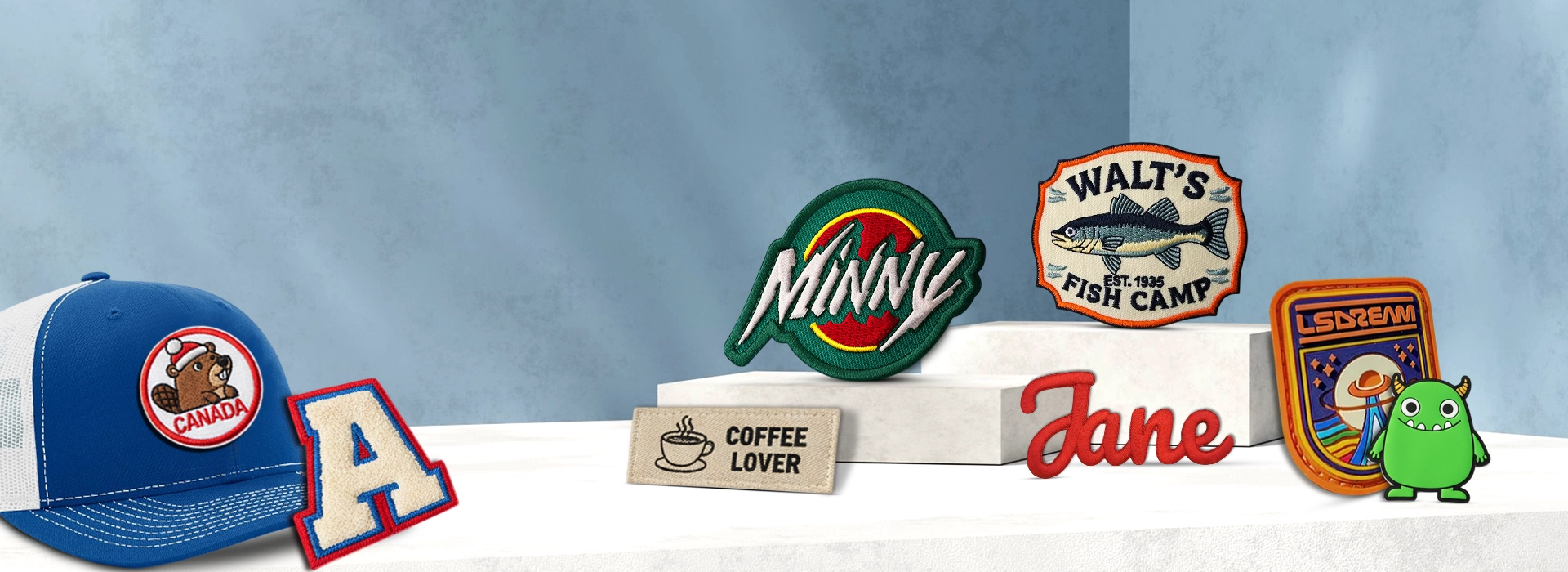
British Custom Patches proudly supplies custom patches worldwide, serving businesses, clubs, schools, and organizations across the globe.