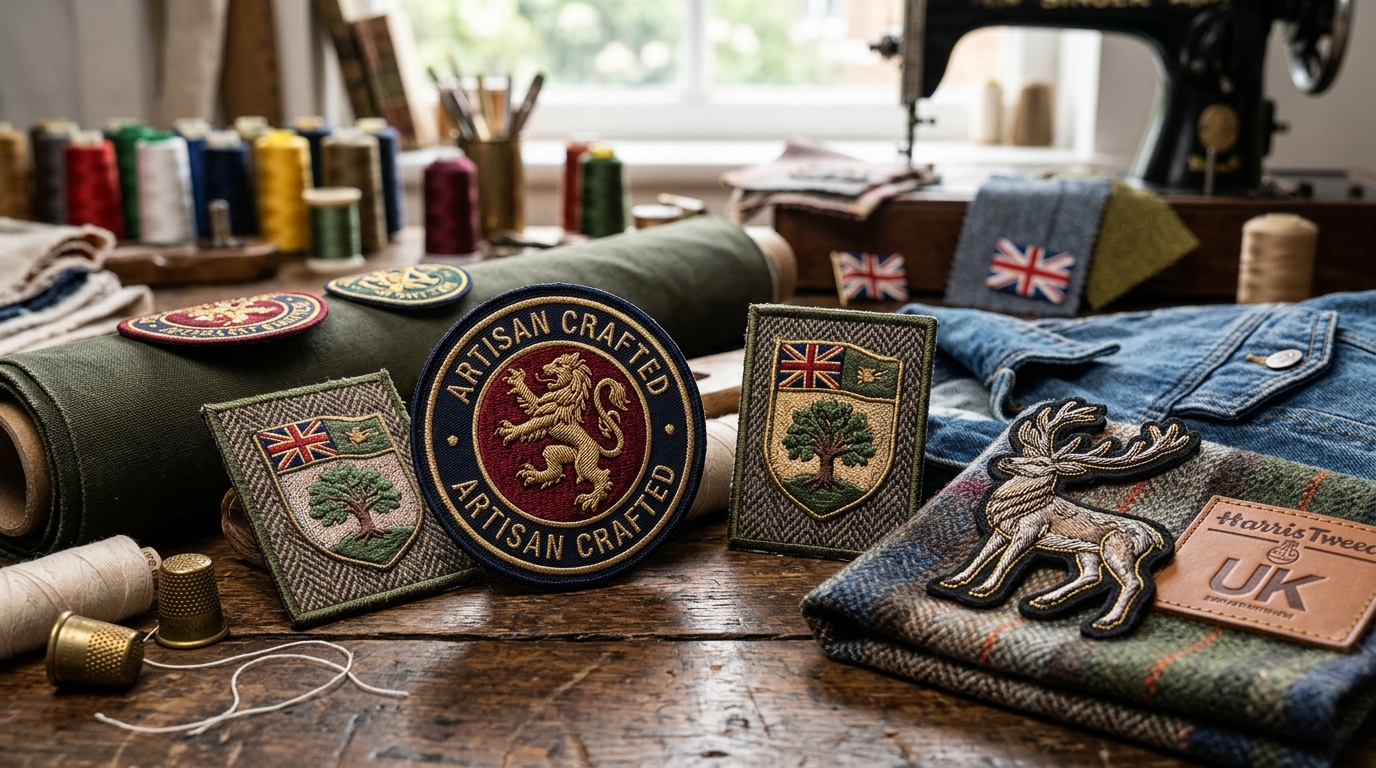
A well-designed embroidered patch can give clothing a distinctive appearance, but a raised embroidery finish takes that look even further. Three-dimensional embroidered patches are becoming a popular choice for clothing brands, sportswear businesses, promotional merchandise and organisations that want their designs to stand out. Their raised lettering and textured appearance create a noticeable finish that is difficult to achieve with ordinary flat embroidery.
For businesses across the UK, 3D puff embroidery offers an interesting way to display logos, brand names and decorative designs on different products. From caps and jackets to workwear and fashion accessories, these patches can add depth and character to a wide range of suitable items.
Unlike standard embroidery, which sits relatively flat against the fabric, 3D puff embroidery uses a special foam layer underneath the stitching. The foam creates a raised effect, giving selected parts of the design more height and definition. This makes it particularly suitable for bold lettering, simple symbols and logos that need to attract attention.
If you are looking to buy 3D embroidered patches UK suppliers can produce, choosing the right manufacturer is important. The quality of the foam, stitching, thread selection and finishing all contribute to the final appearance.
Whether you need a small quantity for a new clothing range or a large production run for your business, understanding how 3D embroidered patches are made can help you choose the right product.
Give Your Brand a More Distinctive Look with Raised Embroidery
Branding is not just about displaying a company name or logo. The way a design appears on clothing can influence how people recognise and remember a business.
Raised embroidery provides a different finish from ordinary stitched designs. The added height creates a textured surface that makes certain parts of the artwork more noticeable.
This is one reason why clothing brands, cap manufacturers and promotional merchandise companies use 3D puff embroidery for selected designs.
A raised company logo on a cap, for example, can create a stronger visual effect than a flat embroidered design. The same technique can be used for lettering, initials, symbols and other artwork with suitable shapes.
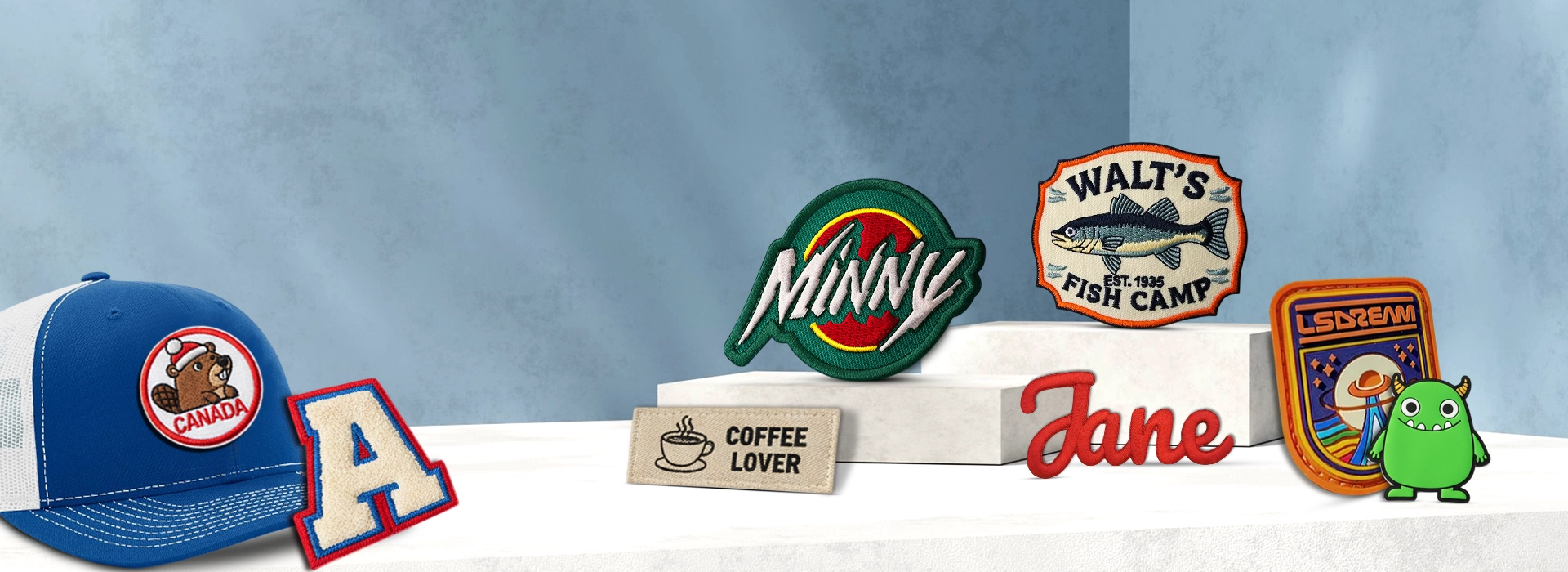
Custom 3D embroidered patches UK customers order can be produced around their own designs, giving businesses more control over the final appearance.
You can choose the shape, dimensions, thread colours and areas where the raised effect will be used. Some designs work best with the entire main lettering raised, while others look better when only selected sections have additional height.
The important thing is to create a design that looks balanced and remains easy to recognise.
What Makes Three Dimensional Embroidery Different
The main difference between standard embroidery and 3D puff embroidery is the material used underneath the stitching.
In ordinary embroidery, thread is stitched directly onto the fabric or patch base. The result is generally flat, although the stitching itself can have some natural texture.
With 3D puff embroidery, a foam layer is placed underneath selected sections of the design. The embroidery machine stitches over the foam, covering it with thread and creating a raised appearance.
This technique is particularly effective for thicker lettering and bold shapes.
The finished design has more depth and stands out from the surrounding fabric. Depending on the artwork, the raised sections can create a noticeable contrast against flatter embroidered areas.
The process requires careful preparation because the foam must be covered properly and the stitching needs to hold its shape.
If the design contains very small details, thin lines or complicated lettering, the raised effect may not be suitable for every part of the artwork.
An experienced manufacturer can help determine which elements should be raised and which should remain flat.
Where 3D Puff Embroidered Patches Work Best
Three-dimensional embroidery is particularly useful for designs that need a bold and recognisable finish.
Although it can be used across different products, some applications are especially suitable for raised stitching.
Give Caps and Headwear a Stronger Appearance
Caps are among the most popular products for 3D puff embroidery.
Raised lettering on the front of a cap creates a distinctive look and helps a brand name or logo stand out.
Sportswear companies, fashion labels, promotional businesses and independent clothing brands often use this technique for branded headwear.
The raised effect works particularly well with bold letters, initials and simple symbols.
When producing designs for caps, the available space should be considered carefully. The lettering needs enough room to create the raised effect without becoming crowded.
Add Depth to Jackets and Streetwear
Streetwear brands often use embroidery to give their clothing a recognisable appearance.
A raised logo patch can add texture to jackets, hoodies and other garments.
It can also be used as part of a larger design featuring both flat and raised embroidery.
For clothing brands, this creates an opportunity to develop distinctive details across different collections.
A small raised emblem on the chest or sleeve can give a garment a more finished appearance without making the overall design too complicated.
Create Recognisable Sportswear Designs
Sports teams and sportswear companies frequently use bold lettering and symbols.
Three-dimensional embroidered designs can help display team names, initials and other identifying details.
They are suitable for selected sportswear applications where the garment material and patch construction support the raised finish.
Clubs can also use embroidered badges on jackets, training clothing and accessories.
Make Promotional Clothing More Noticeable
Businesses regularly use promotional clothing to introduce their brand to customers.
A raised embroidered logo can make a cap, jacket or branded accessory look more distinctive.
This is particularly useful for companies that want their promotional products to have a more substantial appearance.
When selecting the design, consider how the raised elements will look from a normal viewing distance.
Clear lettering and suitable colour contrast generally produce the most effective result.
Order 3D Embroidery Patches Made Around Your Own Design
Every brand has different requirements, which is why ordering patches around your own artwork can be useful.
If you want to order 3D puff embroidery patches, the first step is to prepare a design that can be reproduced using the raised embroidery technique.
You may already have a finished logo, or you may have an idea that needs to be developed into suitable artwork.
The manufacturer will need to understand the shape, lettering, colours and parts of the design that should have a raised finish.
Prepare Artwork That Works with Raised Stitching
Not every design is suitable for 3D puff embroidery.
Bold lettering and simple shapes generally work well because they provide enough space for the foam and stitching.
Very small text, thin outlines and complicated details can be more difficult to reproduce.
If your original logo contains several small elements, some adjustments may be necessary.
The aim should be to preserve the main appearance of your artwork while making sure the raised sections remain clear.
Providing a high-quality logo file can help the manufacturer prepare the design more accurately.
Vector artwork is particularly useful because it can be resized without losing its original clarity.
Choose the Right Size and Shape
The dimensions of a patch should suit the product where it will be used.
A large design on a jacket may have enough room for several raised elements, while a smaller patch may only be suitable for bold initials or a simple logo.
Common shapes include round, rectangular, square, oval and shield designs.
However, a manufacturer may also be able to produce patches in shapes that follow your artwork.
Before confirming the dimensions, consider how much space the design needs and whether the lettering will remain readable.
Select Thread Colours That Suit Your Brand
Colour selection is an important part of the design process.
If the patch represents a business, it should follow the existing brand colours as closely as practical.
Provide colour references where possible so the manufacturer can select suitable embroidery threads.
You should also consider the contrast between the raised lettering and the background.
A clear difference between the two helps make the design easier to recognise.
Decide Which Parts Should Have a Raised Finish
One of the advantages of 3D puff embroidery is that the raised effect can be used selectively.
For example, a company name might be raised while the smaller wording underneath remains flat.
A logo could have a raised central symbol with ordinary embroidery around the border.
This combination can create a balanced appearance without making every part of the design bulky.
Discuss your preferred finish with the manufacturer before production.
Custom Three Dimensional Logo Patches for Businesses
A company logo should be easy to recognise wherever it appears.
Businesses that use branded clothing often want their logos to have a consistent appearance across uniforms, caps, jackets and promotional products.
Custom 3D embroidered logo patches provide another way to display that identity.
The raised stitching adds depth to selected parts of the logo, making the design more noticeable.
This can be useful for:
Clothing and streetwear brands
Sportswear manufacturers
Hospitality businesses
Promotional merchandise companies
Retail brands
Corporate clothing suppliers
Event organisers
Clubs and associations
For businesses with established branding, the original logo should be used as the starting point.
The manufacturer can then review the artwork and explain whether the design needs any changes for raised embroidery.
It is important to remember that the final patch should still represent the original brand accurately. Adding a raised effect should improve the appearance rather than make the logo difficult to recognise.
Personalised Three Dimensional Patches for Individual Projects
Not every embroidered patch order is for a large company.
Individuals, small clothing labels and creative businesses may also want personalised designs.
Personalised 3D puff patches order options are useful for people who want their own names, initials, symbols or artwork reproduced with a raised finish.
They can be used on suitable caps, jackets, bags and clothing.
For example, an independent fashion designer might create a small collection featuring raised initials. A sports club could order badges with individual team designs, while a business owner may want branded patches for a limited merchandise release.
The main benefit is having control over the artwork rather than choosing from standard ready-made designs.
If the design includes lettering, make sure the size is suitable for the raised stitching process.
A simple, well-spaced layout usually gives better results than artwork containing too many small details.
Find the Right Custom Three Dimensional Puff Patches Manufacturer in the UK
Choosing the right manufacturer is one of the most important parts of ordering raised embroidered patches.
A manufacturer needs to understand more than ordinary embroidery. The raised effect requires suitable foam, appropriate stitching and careful preparation of the artwork.
When comparing a custom 3D puff patches manufacturer UK businesses can work with, look at the quality of previous examples and the production options available.
Ask whether the manufacturer can work with your artwork and whether it can advise on the best design for the raised finish.
A good supplier should also be able to explain the available backing options, patch dimensions and production requirements.
Check the Quality of Previous Embroidery Work
Previous examples can help you understand the manufacturer's experience.
Look for even stitching, well-covered foam and clean edges.
The raised sections should have a consistent appearance without obvious gaps or loose threads.
If you are ordering a particular style of patch, ask whether the supplier has produced something similar before.
This can help you judge whether the manufacturer is suitable for your project.
Understand the Materials Used in Production
The foam used for 3D puff embroidery plays an important role in the finished appearance.
Different thicknesses may be available depending on the design and intended result.
The embroidery thread must cover the foam properly so that the raised sections look neat.
The base material and backing should also be suitable for the garment or accessory.
Ask the manufacturer to explain the materials available before confirming your specifications.
Look for Clear Communication and Artwork Support
Good communication makes a difference, especially when ordering a design that requires specific raised details.
You should be able to explain what you want and receive clear guidance about the available options.
The supplier should also explain whether the artwork needs adjustments before production.
This is particularly important for businesses using an existing company logo.
Review Production and Delivery Arrangements
Before placing an order, ask about the expected production schedule.
If the patches are required for a clothing launch, promotional campaign or business event, provide the deadline from the beginning.
Confirm whether artwork approval, sample production and delivery are included in the estimated schedule.
Having this information in advance helps you plan the project more effectively.
Wholesale Three Dimensional Embroidered Patches for UK Businesses
Businesses that need larger quantities often prefer to arrange production in one order.
3D embroidered patches wholesale UK services can be useful for clothing brands, promotional suppliers, uniform companies and organisations that require matching designs.
Wholesale production is particularly suitable when the same patch will be used across several garments or products.
For example, a fashion label may require raised logo patches for an entire clothing collection. A promotional merchandise company may need matching designs for a customer campaign.
Ordering a larger quantity can also affect the price per patch because certain preparation costs are spread across more units.
However, wholesale ordering should always be based on actual demand.
Before confirming the quantity, consider the number of products you plan to manufacture, your storage arrangements and whether the design is likely to change.
If the same patch will be required regularly, discuss repeat production with the supplier.
Keeping the approved artwork and specifications consistent can make future orders easier to manage.
Arrange a Three Dimensional Puff Patch Bulk Order in the UK
A bulk order requires careful planning because every patch needs to follow the same approved specifications.
3D puff patches bulk order UK requirements may include hundreds of matching pieces for a clothing brand, sports organisation or promotional campaign.
Before production begins, prepare a clear specification covering the design, dimensions, quantity, colours and backing.
If the order contains several different designs, list the quantities separately.
This makes it easier for the manufacturer to understand exactly what needs to be produced.
Keep Every Patch Consistent
Consistency is particularly important when patches are being used across a large collection.
The thread colours, dimensions and raised sections should follow the approved design.
If the order contains several variations, make sure each version has been checked before production.
Approve the Design Before Full Production
Artwork approval is an important stage of a bulk order.
Review the digital proof carefully and check that the raised lettering and other details are positioned correctly.
If a physical sample is available, it can provide a better idea of the finished height, texture and overall appearance.
Plan the Quantity Around Your Requirements
Ordering in bulk can offer better value, but it is important not to order more than you need.
Consider how many garments or products will use the patches and whether additional stock will be required later.
For businesses launching a new collection, a realistic quantity can help keep production costs under control.
Understand Three Dimensional Embroidered Patches Price in the UK
The price of raised embroidered patches depends on several production factors.
If you are comparing 3D embroidered patches price UK suppliers offer, make sure you understand how the design and quantity affect the quotation.
A simple raised logo may have different production requirements from a larger patch containing several raised sections and detailed flat embroidery.
Patch Size and Overall Design
Larger patches generally require more material and stitching time.
They may also need more foam, depending on the areas that will have a raised finish.
The dimensions should be confirmed before requesting a final quotation.
Amount of Raised Embroidery
The number of raised sections can influence the production process.
A design with one raised word may be simpler than a logo containing several separate raised shapes.
The manufacturer will need to assess how much of the artwork can be produced using the foam technique.
Thread Colours and Artwork Details
The number of thread colours and the complexity of the design can affect preparation and production.
Simple lettering is often easier to reproduce than complicated artwork with many small elements.
If the design requires adjustments, discuss these before approving the order.
Order Quantity
The number of patches required is another important pricing factor.
Larger production runs may reduce the cost per unit, while smaller orders can have a higher average price because preparation costs are spread across fewer pieces.
This is why it is useful to request quotations for different quantities when planning a larger project.
Backing and Finishing Requirements
The backing and finishing options can also affect the final price.
The correct choice depends on the garment, intended application and expected use.
Ask the manufacturer to include the selected backing and any additional finishing costs in the quotation.
Choose the Right Backing for Your Raised Embroidered Patches
The backing determines how the finished patch will be attached to clothing or accessories.
Choosing a suitable option is important because a well-made patch still needs to remain securely attached during normal use.
Sew On Backing for Traditional Attachment
Sew-on backing is a practical option for garments that can be stitched.
It is commonly used on jackets, workwear, bags and other suitable fabrics.
The patch is attached by sewing around its edge, providing a traditional finish.
This option is worth considering for products that will experience regular use.
Iron On Backing for Convenient Application
Iron-on backing uses heat-activated adhesive to attach the patch to suitable materials.
It can be convenient for clothing projects where sewing is not preferred.
However, the garment must be able to withstand the recommended application temperature.
Follow the manufacturer's instructions carefully and check whether additional stitching is recommended for the intended use.
Choosing a Backing for Different Garments
Different garments may require different attachment methods.
A heavy jacket, a lightweight shirt and a fabric backpack do not necessarily have the same requirements.
Explain the material and intended use to the manufacturer before selecting the backing.
This helps ensure that the patch is suitable for the finished product.
Custom Three Dimensional Patches Made to Order in the UK
Ready-made patches may be suitable for general use, but businesses and individuals often want something that matches their own designs.
Custom 3D patches made to order UK services allow customers to create patches according to their preferred artwork and specifications.
This is particularly useful for companies with established branding and clothing labels developing their own collections.
Made-to-order patches can be produced in different shapes, sizes and colours, depending on the manufacturing capabilities of the supplier.
You can also decide which parts of the design should have a raised appearance.
For example, a brand name may be produced with raised lettering while a small symbol or border remains flat.
This creates a more varied finish and can help the design look balanced.
Before production, make sure the manufacturer has understood your requirements.
Providing clear artwork, dimensions and examples of the preferred finish can make the process easier.
Design Raised Embroidered Badges That People Can Recognise
A badge needs to communicate its design clearly, especially when it includes a business name or logo.
Custom 3D embroidered badges UK customers order can be used for clothing, headwear, uniforms and promotional accessories.
The raised finish makes selected design elements more noticeable, but the overall layout still needs to be carefully planned.
Avoid overcrowding the patch with too much wording or too many small symbols.
If the badge is intended to display a company name, make sure the lettering is large enough to remain readable.
For club and team badges, focus on the main emblem and use supporting details only where they fit comfortably.
The shape of the badge should also suit the design.
A round or shield-shaped patch may work well for traditional emblems, while a rectangular design may be more suitable for bold lettering.
The manufacturer can help recommend dimensions and finishing options based on the artwork.
How Raised Embroidery Compares with Standard Embroidery
Standard embroidery and 3D puff embroidery both use thread to reproduce designs, but their finished appearance is different.
Standard embroidery creates a stitched design that generally sits close to the surface of the fabric.
Three-dimensional puff embroidery uses foam underneath selected sections to produce a raised effect.
Standard embroidery is suitable for detailed artwork, smaller lettering and designs that need a relatively flat finish.
The 3D technique is better suited to bold lettering and larger shapes where additional height can improve the appearance.
Some designs can combine both methods.
For example, a business logo may use raised lettering with flat embroidered details around it.
This approach allows different parts of the artwork to stand out without making the entire patch bulky.
The best option depends on the original design and the intended application.
Prepare Your Artwork for a Better Raised Embroidery Finish
Good artwork preparation can make a noticeable difference to the finished patch.
A design that looks clear on a computer screen may need adjustments before it can be produced with foam and thread.
This is because the raised technique has practical limits relating to lettering, spacing and shape.
Use Bold Lettering Where Possible
Thicker lettering is generally more suitable for raised embroidery.
Very thin letters may not provide enough room for the foam and covering stitches.
If your logo uses narrow typography, ask the manufacturer whether a suitable alternative can be prepared without changing the overall brand identity.
Allow Enough Space Between Design Elements
Raised sections need sufficient room for stitching.
If letters and shapes are too close together, the finished design may look crowded.
A little extra spacing can help maintain a clean appearance.
Avoid Unnecessary Small Details
Tiny symbols and fine lines can be difficult to reproduce using the raised technique.
Consider which details are essential and which can be simplified.
Keeping the main design clear often produces a stronger result.
Choose the Right Foam Thickness
The foam thickness affects how high the embroidered sections appear.
The right choice depends on the artwork and the desired finish.
Too much height may not suit every design, while a thinner foam layer may create a more subtle effect.
Discuss the available options with your manufacturer before approving the production specification.
Why Production Quality Matters When Buying Raised Embroidered Patches
A raised patch needs careful workmanship because the foam must be covered properly and the stitching needs to hold its shape.
If the stitching is uneven or the foam is not fully covered, the finished design may not have the clean appearance you expect.
This is why checking production quality is important when comparing suppliers.
Look for neatly finished edges, consistent raised lettering and a balanced design.
The foam should not be unnecessarily exposed, and the thread should cover the raised sections properly.
For larger orders, quality inspection helps ensure that the patches follow the same specifications.
If you are buying patches for a clothing brand or business, consistency is especially important because the products will represent your company.
Find the Right Supplier for Your Three Dimensional Embroidery Project
A suitable supplier should be able to explain the production process and help you select the right specifications.
When comparing a 3D embroidery patches supplier UK businesses can work with, look at its experience with raised designs rather than ordinary embroidery alone.
Ask about the types of foam available, suitable artwork, thread choices and backing options.
It is also useful to understand whether the supplier provides digital proofs and physical samples.
For a small personal order, straightforward communication and clear pricing may be enough.
For wholesale and bulk production, you may also need information about repeat orders, quality checks and delivery arrangements.
Do not make your decision based on price alone.
Consider the complete service and whether the supplier can produce the finish your design requires.
Why Raised Embroidered Patches Are Worth Considering for Clothing Brands
Clothing brands need details that make their products recognisable.
A distinctive patch can help a collection stand out while providing an additional branding option.
Raised embroidered designs are particularly suitable for brands that use bold lettering, initials and simple symbols.
They can be added to selected products to create a consistent look across different pieces in a collection.
For example, a clothing label might use raised patches on caps and jackets while keeping other garments more understated.
This gives the brand flexibility without changing the entire design of every product.
For smaller clothing businesses, made-to-order patches can also provide a practical way to introduce branded details without investing in a completely new garment manufacturing process.
The important thing is to choose a design that suits the brand and can be reproduced consistently.
Get Your Three Dimensional Patch Order Ready
Before placing an order, take some time to organise the details of your project.
Start with the artwork and decide which parts should have a raised finish.
Then confirm the dimensions, shape, colours and backing.
Work out how many patches you need and whether the order contains one design or several variations.
If you are planning a wholesale order, prepare a clear breakdown of the quantities required.
When requesting a quotation, provide the manufacturer with all the relevant information.
Ask about artwork approval, production time, sample availability and delivery.
Review the final proof carefully before confirming the order.
For businesses with a specific launch date, allow enough time for design preparation and production.
A well-organised order makes it easier to avoid unnecessary changes and gives the manufacturer a clear understanding of what you expect.
Conclusion
Three-dimensional embroidered patches offer a distinctive way to bring more depth and character to clothing, accessories and branded merchandise. Their raised stitching makes bold lettering, initials and logos stand out, giving businesses and clothing brands another option for creating recognisable designs.
From personalised patches for individual projects to wholesale production for established businesses, there are options for different quantities and applications.
When looking to buy 3D embroidered patches UK suppliers offer, pay attention to the quality of the stitching, foam thickness, artwork preparation and backing. These details all influence how the finished patch looks and performs.
Choosing an experienced manufacturer is equally important, particularly when ordering custom designs or arranging a large production run.
Whether you need custom 3D embroidered logo patches, personalised badges, a 3D puff patches bulk order UK businesses can use across their products, or custom patches made to order, start with clear artwork and accurate specifications.
The right combination of design, materials and workmanship will help create embroidered patches that represent your brand properly and give your products a finish people notice.
Tags:#UKCustom3DEmbroideryPatches #BulkRaisedStitchBadges #PuffEmbroideryPatchSupplier #CustomLogoReliefPatches #Wholesale3DEmbroideredBadges #BritishCustomPatches
Discussion & Feedback 0
Write a CommentNo comments yet
Have a question or feedback regarding this topic? Be the first to share your thoughts below!
Leave a Reply
Your email address will not be published. Required fields are marked *