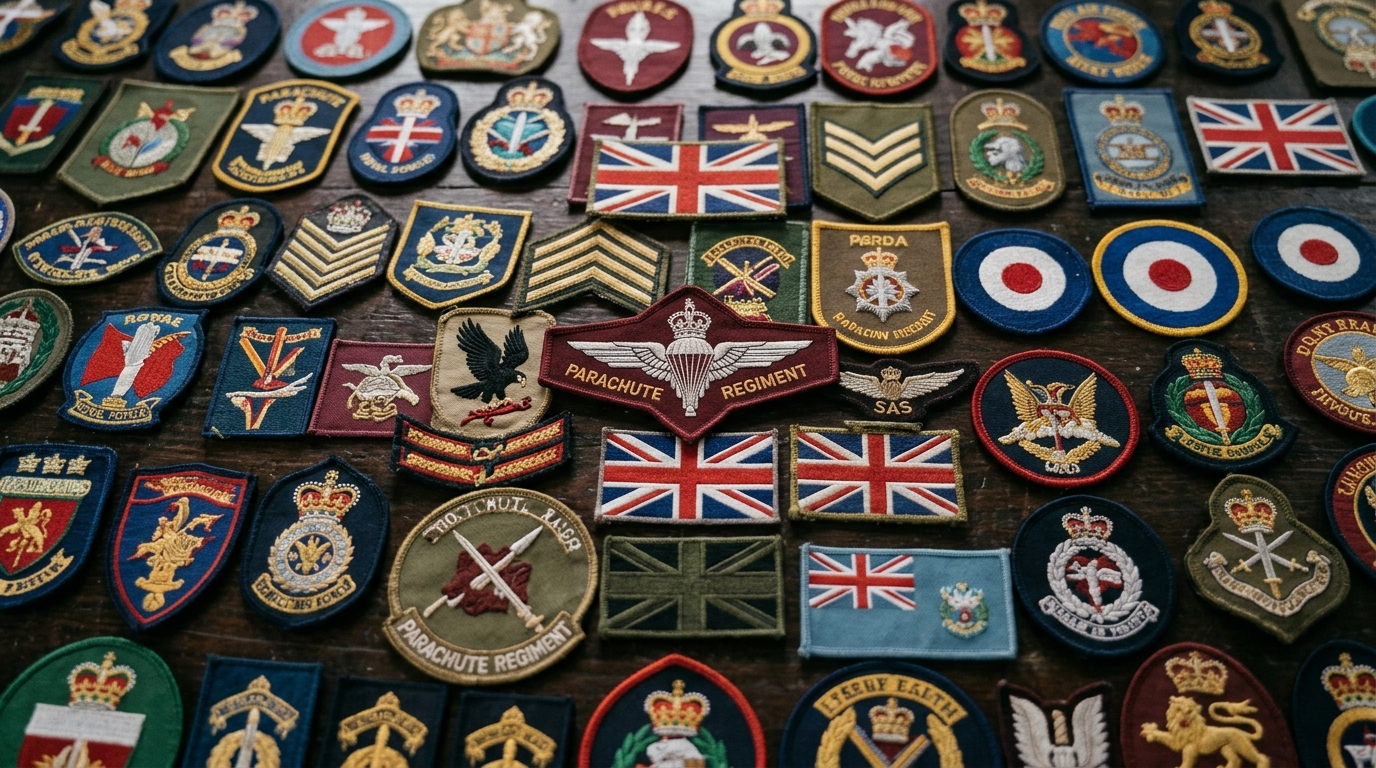
Military patches are more than small pieces of fabric attached to a uniform. They represent identity, service, teamwork and pride. From national flags and unit insignias to rank identifiers and specialised badges, each patch carries meaning. It can show which unit a person belongs to, what role they perform or which organisation they represent.
Over the years, military patches have also become popular beyond official uniforms. Collectors, veterans, outdoor enthusiasts and fashion brands appreciate their designs and the stories behind them. Their combination of practical identification and symbolic value makes them an important part of military clothing and culture.
Whether you are interested in traditional military insignia, custom military patches or embroidered designs, understanding their purpose can help you appreciate why these small details matter so much.
What Are Military Patches?
Military patches are fabric or material-based insignias attached to uniforms, jackets, bags and other equipment. They are designed to communicate information about a person’s military affiliation, unit, rank, qualification or special assignment.
Many military patches feature symbols, colours, numbers, lettering and distinctive artwork. These details help identify different groups and give each patch its own character.
Some patches are officially issued and worn as part of a uniform, while others are created for commemorative, training, collecting or personal purposes. Their designs can be simple and traditional or detailed and highly customised.
The meaning of a military patch often depends on the organisation and the context in which it is used. For serving personnel, it may represent their unit or role. For veterans, it can be a reminder of their service and shared experiences.
The History Behind Military Patches
The use of military insignia has developed over many years. Historically, armies needed practical ways to distinguish soldiers, units and ranks, particularly when different groups operated in the same area.
Uniform colours, badges and symbols helped make identification easier. As military clothing evolved, patches became a convenient way to display unit information and other identifying details without changing the entire uniform.
During the twentieth century, military patches became increasingly recognisable. Different branches and units developed distinctive insignias, often using symbols connected to their history, location or mission.
Over time, these designs became more than identification tools. They developed into symbols of belonging, tradition and achievement. Many military patches are now collected because of their historical background and the stories associated with them.
Different Types of Military Patches
Military patches come in several styles, each designed for a particular purpose. The materials, shapes and attachment methods can vary depending on the uniform requirements and intended use.
Embroidered Military Patches
Embroidered military patches are among the most traditional and widely recognised styles. They are made by stitching thread onto a fabric backing to create lettering, symbols and detailed designs.
The raised stitching gives these patches a textured appearance. They are commonly used for unit insignias, identification badges and commemorative designs.
Embroidered patches are also popular with collectors because they can feature intricate artwork and distinctive colour combinations.
PVC Military Patches
PVC military patches are made from flexible synthetic material. Unlike traditional embroidered designs, they have a smooth, slightly raised surface that can display sharp details.
These patches are often chosen for outdoor equipment, tactical-style clothing and accessories. Their appearance is different from fabric patches, making them suitable for modern designs.
PVC patches can also be made in different shapes and colours, allowing more flexibility when creating custom artwork.
Woven Military Patches
Woven patches use fine threads woven together to create a detailed design. This method is useful when small lettering or intricate artwork needs to remain clear.
Because the design is woven into the material rather than created through raised embroidery, the finished patch usually has a flatter surface.
Woven military patches are a good option for designs that contain fine lines, smaller text or detailed symbols.
Printed Military Patches
Printed patches are created by transferring a design onto fabric or another suitable surface. This approach can reproduce complex artwork, gradients and images that may be difficult to achieve with traditional embroidery.
They can be useful for commemorative patches, promotional designs and artwork that requires a wider range of colours.
Hook and Loop Military Patches
Hook and loop patches are designed to attach to compatible panels on uniforms, jackets, bags and equipment. They can be removed and replaced without sewing the patch directly onto the garment.
This makes them practical when different insignias or identification designs need to be changed.
The attachment system also makes them popular for custom military-style patches and tactical accessories.
What Do Military Patches Represent?
One of the most interesting things about military patches is the meaning behind their designs. A patch may look like a simple badge, but its symbols and colours can communicate important information.
Unit Identity
Many military patches represent a specific unit or group. Their designs help create a shared identity among personnel and make it easier to recognise different organisations.
A unit patch may include a distinctive emblem, motto, number or symbol connected to its background.
Rank and Role
Some military insignias are used to indicate rank, qualification or a particular role. These markings help communicate information within an organisation and support uniform identification.
The exact design and placement depend on the relevant military branch and uniform regulations.
Service and Achievement
Certain patches recognise participation in training, operations, special assignments or other achievements. They can represent experiences that are meaningful to the people who wear them.
For veterans, these patches may also serve as personal reminders of their service and the people they worked alongside.
Pride and Belonging
Military patches often create a strong sense of connection. Wearing the insignia of a unit can represent shared responsibility, teamwork and a common history.
This emotional value is one reason why many people keep their patches long after leaving military service.
Materials Used to Make Military Patches
The material used in a military patch affects its appearance, texture, durability and overall performance. Different materials are suitable for different designs and applications.
Twill fabric: A common backing material for embroidered patches. It provides a stable surface for stitching and is available in different colours.
Polyester thread: Frequently used in embroidery because it offers colour consistency and can create detailed designs.
PVC: A flexible synthetic material used for patches with raised details and a modern finish.
Hook and loop backing: A practical attachment option for removable patches. It allows designs to be changed when needed.
Woven fabric: Suitable for detailed designs and small lettering because it creates a relatively flat finish.
Choosing the right material depends on how the patch will be used, the level of detail required and the appearance you want to achieve.
Custom Military Patches for Personal and Organisational Use
Custom military patches allow organisations, groups and individuals to create designs that reflect a particular identity or purpose.
A custom design can include a logo, emblem, lettering, motto, date or other meaningful artwork. The final appearance depends on the chosen material, production method and design requirements.
Custom patches are used for a range of purposes, including:
Unit and team identification
Military reunions and commemorative events
Veteran organisations
Training groups and clubs
Collectors and memorabilia
Military-inspired clothing and accessories
When designing a custom patch, it is important to think about more than just the artwork. The size, shape, colours, stitching and attachment method all influence the finished result.
For official military use, designs and placement should follow the relevant organisation's uniform regulations and approval requirements. A decorative or commemorative patch should not be presented as an official military insignia without authorisation.
How to Design a Military Patch
A good military patch design should be clear, balanced and easy to recognise. Even a detailed design needs to work at a relatively small size.
Start With a Clear Concept
Before choosing colours or materials, decide what the patch should represent. It might be connected to a unit, an event, a team or a personal collection.
Having a clear idea makes it easier to choose suitable symbols and wording.
Choose the Right Shape
Military patches are available in different shapes, including circular, rectangular, shield-shaped and custom-cut designs.
The shape should complement the artwork rather than make it difficult to read. A simple outline often works well for traditional insignias, while custom shapes can give commemorative designs a distinctive appearance.
Select Suitable Colours
Colour plays an important role in military patch design. Some designs use traditional combinations, while others include brighter colours for decorative or commemorative purposes.
It is worth considering how the colours will look against the clothing or equipment where the patch will be attached.
For official uniforms, follow the applicable colour and appearance requirements rather than choosing colours freely.
Keep Text Readable
Small lettering can become difficult to read when a patch is produced at a reduced size. Use clear fonts and avoid including too much text.
If a motto or unit name is important, make sure it remains visible in the final design.
Select the Best Production Method
Embroidery, weaving, printing and PVC production each create a different finish. The best option depends on the artwork, desired texture and intended application.
Reviewing a digital proof or sample before production can help identify design issues early.
Where Are Military Patches Used?
Military patches are most commonly associated with uniforms, but their use extends to several other products and settings.
Military Uniforms
Uniform patches can identify units, ranks, roles and other approved information. Their placement and design are usually controlled by official regulations.
Jackets and Outerwear
Military-inspired patches are often added to jackets, vests and other clothing. They can give garments a distinctive appearance and reflect interest in military history or design.
Backpacks and Tactical Bags
Removable patches are popular on compatible bags and equipment. They allow users to personalise their belongings or change decorative designs when needed.
Collecting and Memorabilia
Military patches are also collected as historical items. Some collectors focus on particular periods, countries, branches or unit designs.
The background of a patch, its condition and its authenticity can all influence its value to collectors.
Commemorative Events
Reunions, anniversaries and veteran gatherings sometimes use specially designed patches to mark an occasion. These designs can become keepsakes that remind participants of a shared experience.
How to Choose Quality Military Patches
If you are buying military patches for clothing, collecting or a custom project, paying attention to quality can make a noticeable difference.
Start by checking the clarity of the design. Lettering and symbols should be easy to recognise, with no obvious gaps or uneven details.
Next, consider the backing and attachment method. A sewn-on patch is suitable for permanent placement, while hook and loop backing is more convenient when the patch needs to be removed.
The edges should also be neatly finished. Clean borders help the patch maintain its shape and give it a more professional appearance.
For embroidered designs, look for consistent stitching and suitable thread coverage. For PVC patches, check that the raised details are clear and the material feels consistent.
Finally, make sure the patch is suitable for its intended use. A decorative patch for a jacket may have different requirements from an insignia intended for an approved uniform.
Caring for Military Patches
Proper care can help military patches maintain their appearance over time. The best cleaning method depends on the material and how the patch is attached.
For embroidered patches, gentle cleaning is generally preferable. Avoid harsh scrubbing that could damage the threads or backing.
PVC patches can often be wiped with a soft damp cloth, although it is still important to follow the manufacturer's care instructions.
If a patch is attached to clothing, check the garment's washing instructions before cleaning it. Removable patches should usually be detached before washing whenever the attachment system allows it.
For collectible or historically significant patches, avoid unnecessary cleaning. Aggressive washing or chemicals may affect the material, colours and overall condition.
Storing patches in a clean, dry place can also help protect them from moisture, dust and prolonged exposure to sunlight.
Military Patches in Modern Fashion and Collecting
Military-inspired designs have influenced fashion, accessories and popular culture for decades. Patches are an easy way to add character to clothing without changing the entire garment.
Denim jackets, backpacks, caps and casual outerwear often feature decorative insignias inspired by traditional military artwork. Some people choose vintage designs, while others prefer modern custom patches.
Collecting has also remained an important part of military patch culture. Enthusiasts may look for designs connected to particular historical periods, organisations or events. For many collectors, the interest comes from the history and craftsmanship behind each piece rather than its appearance alone.
It is important to distinguish fashion-inspired designs from official insignias. Military symbols can carry specific meanings, so they should be used respectfully and accurately.
Conclusion
Military patches are small details with a much bigger meaning. They can represent identity, teamwork, service and history while helping distinguish different units and roles. From traditional embroidered insignias to modern PVC and hook and loop designs, each type offers a different appearance and practical benefit.
Whether you are interested in collecting military memorabilia, creating custom military patches or adding military-inspired details to clothing and accessories, choosing the right design and material makes a real difference. Good-quality patches combine clear artwork, suitable materials and neat finishing to create a result that lasts.
More than just decorative badges, military patches preserve stories and represent connections between people. Their lasting place in military culture comes from the meaning behind the designs as much as the craftsmanship used to make them.

Discussion & Feedback 0
Write a CommentNo comments yet
Have a question or feedback regarding this topic? Be the first to share your thoughts below!
Leave a Reply
Your email address will not be published. Required fields are marked *