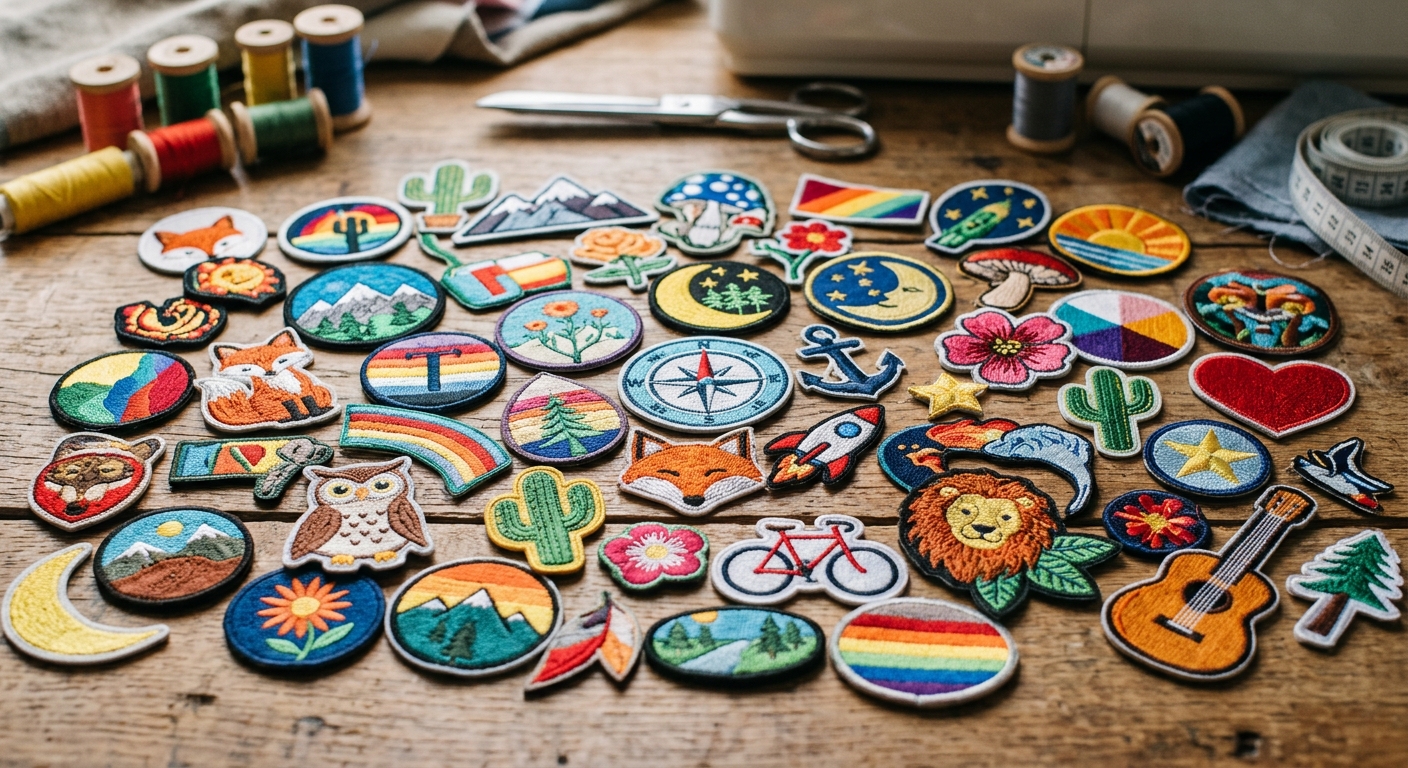
Custom iron-on patches are a simple and stylish way to personalise clothing, add branding to accessories and give ordinary garments a distinctive appearance. From denim jackets and backpacks to team clothing and promotional merchandise, iron-on patches make it possible to apply a custom design without sewing the patch on by hand.
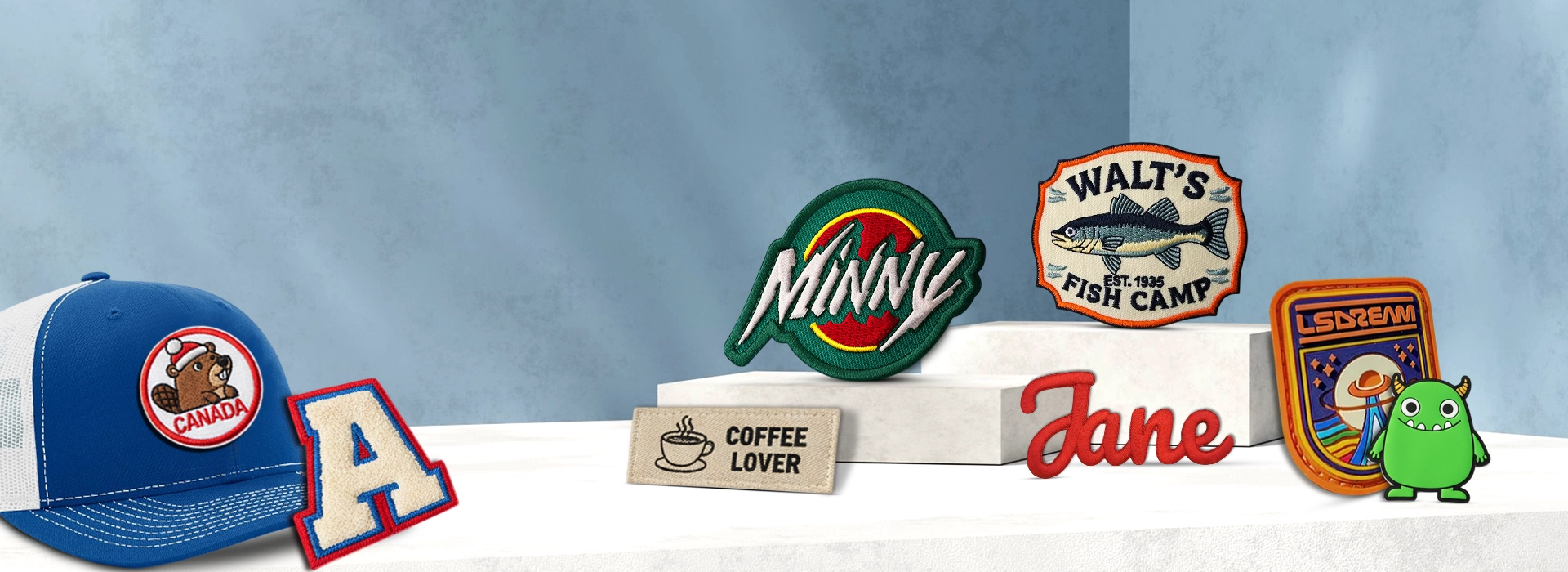
For individuals, clothing brands and businesses across the UK, custom iron-on patches offer flexibility in design, colour, shape and placement. You can create a patch featuring a company logo, name, illustration, slogan or decorative artwork to suit your project.
However, choosing the right patch involves more than selecting a design. The fabric, adhesive backing, application method and intended use all influence the final result. Understanding these details can help you choose a suitable product and avoid common application problems.
What Are Custom Iron-On Patches?
Custom iron-on patches are personalised badges with a heat-activated adhesive backing. When applied using the recommended temperature and pressure, the adhesive bonds the patch to a compatible fabric surface.
Unlike traditional sew-on badges, iron-on patches do not always require a needle and thread for initial attachment. This makes them an appealing option for people who want to customise garments at home or add branded details to suitable textile products.
Iron-on patches can feature embroidered designs, printed artwork or other constructions, depending on the product. Embroidered versions have a textured, stitched appearance, while printed designs may be better suited to detailed illustrations or artwork with colour gradients.
The patch can be produced in different shapes and sizes, allowing you to create a design that complements the item on which it will be placed.
For example, a small logo patch may suit a shirt pocket, while a larger decorative patch may work better on the back of a denim jacket. The important thing is to choose a design that fits the available space and works with the material.
Why Choose Custom Iron-On Patches UK?
Custom iron-on patches are useful for personal projects, fashion collections, business branding and group clothing. Their appeal comes from the combination of custom design and a convenient attachment method.
Easy application
Heat-activated backing can make attachment straightforward when the patch and garment are compatible. You do not necessarily need sewing skills to apply the patch.
Personalised designs
You can create patches featuring your own logo, artwork, initials, text or symbols. This gives you more control over the final appearance than buying a standard, ready-made badge.
Flexible placement
Iron-on patches can be positioned on suitable jackets, bags, shirts and other fabric items. Placement should be decided before application because removing a bonded patch may be difficult.
Useful for branding
Businesses and independent clothing brands can use custom patches to add a logo or distinctive design to merchandise and garments.
Suitable for creative projects
Individuals can use patches to refresh older clothing, decorate accessories or create coordinated outfits for groups and events.
Although iron-on backing offers convenience, it is not the right choice for every fabric or application. Always check the manufacturer's instructions before applying heat to a garment.
Custom Iron-On Patches for Clothing
Clothing is one of the most common uses for iron-on patches. A carefully positioned patch can change the appearance of a plain garment without requiring a completely new design or piece of clothing.
Denim jackets, suitable cotton garments, canvas bags and selected workwear items may be appropriate applications, depending on the patch specifications and fabric care instructions.
For casual clothing, decorative patches can add colour, personality or a distinctive theme. A clothing brand might use a small logo on the chest, while a larger graphic could be used as a feature on the back of a jacket.
When planning your design, consider how the patch will look when the garment is worn. A patch that is too large may feel out of proportion, while a design with very small details may be difficult to see from a distance.
It is also important to consider fabric texture. Smooth, stable materials may provide a more suitable surface for adhesive backing than heavily textured, stretchy or coated fabrics.
Before ordering, check the intended fabric type with the supplier so you can select an attachment method that suits the garment.
Custom Iron-On Logo Patches for Businesses
Businesses can use custom iron-on logo patches to add branding to suitable clothing, accessories and promotional products. They can be particularly useful when a business wants to apply a consistent logo across selected items without embroidering each garment directly.
A company logo can appear on jackets, bags, staff clothing and other products, provided the fabric and patch backing are compatible.
For a professional appearance, keep your logo clear and easy to recognise. Use consistent brand colours, avoid unnecessarily small lettering and choose a patch size that suits the placement.
Before ordering, consider these practical points:
Logo accuracy: Provide approved artwork so the design reflects your brand.
Colour selection: Choose thread or print colours that work with your brand identity.
Placement: Decide where the patch will be positioned on each garment.
Fabric compatibility: Check that the adhesive is suitable for the material.
Washing requirements: Consider how frequently the clothing will be cleaned.
Quantity: Estimate the number of patches needed for the initial order and any planned repeat orders.
For businesses ordering patches for multiple garment types, it may be necessary to use different attachment methods for different fabrics. A backing that works on one material may not be appropriate for another.
Personalised Iron-On Patches for Fashion
Personalised iron-on patches offer a way to add individual details to fashion items. They can be used for names, initials, short messages, decorative motifs and original artwork.
Independent designers may incorporate patches into limited clothing collections, while individuals can use them to give existing garments a more personal appearance.
A well-designed patch can become a recognisable feature of a product. For example, a simple emblem on a jacket sleeve or a custom badge on a canvas bag can create a coordinated look across different items.
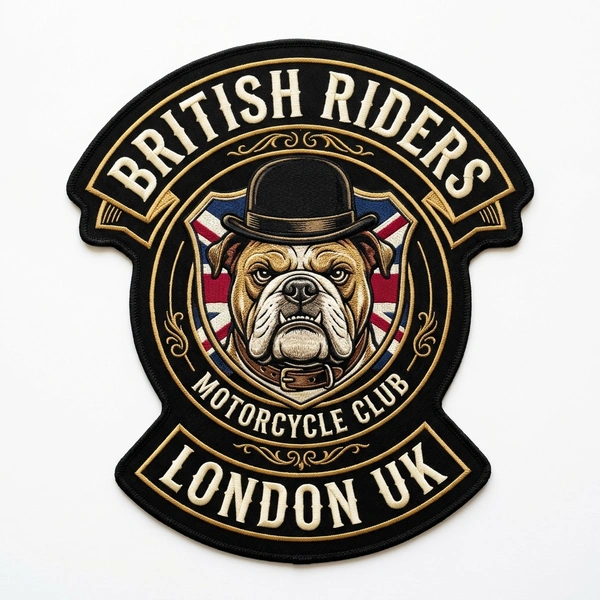
When designing personalised patches, think about the style you want to achieve. Bold lettering and simple shapes can be effective for modern designs, while embroidered borders and traditional symbols may suit a more classic appearance.
If you are creating a collection, keeping the same colours, dimensions and design style across different patches can help the finished products look consistent.
Always consider the care requirements of the garment before choosing iron-on backing, particularly if the clothing is delicate or requires frequent washing.
Embroidered Iron-On Patches vs Printed Patches
Iron-on describes the attachment method rather than the appearance of the patch. The actual design may be embroidered, printed or produced using another suitable construction.
Understanding the difference can help you choose the right option.
Embroidered iron-on patches
Embroidered patches use stitched thread to create a raised, textured finish. They are often suitable for bold logos, lettering, traditional badges and designs that benefit from a classic embroidered appearance.
The thread adds depth to the artwork, making the patch stand out from the garment. However, very fine details and tiny text may need to be simplified to reproduce clearly.
Printed iron-on patches
Printed patches can be useful when the artwork contains gradients, detailed illustrations or colour transitions that are difficult to reproduce with thread.
The surface is generally flatter than traditional embroidery, which may suit designs that rely on intricate visual details.
The appropriate choice depends on your artwork, budget and preferred appearance. If the design contains a detailed photograph or many subtle shades, ask the supplier whether printing would be more suitable than embroidery.
If you want a raised, traditional badge, embroidered iron-on patches may be the better fit.
How to Choose the Right Patch Size and Shape
The dimensions of a patch influence its appearance, readability and suitability for different garments.
A small patch may be appropriate for a shirt pocket, cap or sleeve, while a larger design could work better on a jacket or backpack. The ideal size depends on the amount of detail in the artwork and the available space.
Before finalising the dimensions, measure the area where the patch will be placed. Allow enough space around the design so it does not overlap seams, pockets or other garment features.
Shape also matters. Common options include circles, rectangles, squares, ovals and shield-shaped badges. Custom outlines may be available depending on the supplier's production capabilities.
A simple shape can provide a clean, traditional appearance, while a custom outline can follow the contours of a logo or illustration.
If your design includes text, check that the letters remain readable at the finished size. Increasing the dimensions or simplifying the artwork may help improve clarity.
Which Fabrics Are Suitable for Iron-On Patches?
Fabric compatibility is one of the most important considerations when selecting custom iron-on patches.
Heat-activated adhesive requires suitable conditions to bond properly. Some fabrics tolerate the application process, while others can be damaged by heat or may not hold the adhesive securely.
Cotton and certain cotton-blend fabrics are commonly used with suitable iron-on products, but the exact result depends on the garment finish and patch specifications.
Extra care is needed with:
Heat-sensitive synthetics: High temperatures may damage or distort the fibres.
Stretch fabrics: Movement can put stress on the adhesive bond.
Waterproof or coated materials: The surface may prevent reliable adhesion.
Delicate fabrics: Direct heat can cause damage or discolouration.
Heavily textured surfaces: Uneven contact may affect bonding.
Do not assume that every garment labelled as cotton or polyester is suitable. Fabric blends, coatings and finishing treatments can change how a material responds to heat.
Check the garment's care label and the patch manufacturer's instructions before application. If the item is valuable or difficult to replace, seek advice before attempting to attach the patch.
For incompatible fabrics, a sew-on patch or another attachment method may be a more appropriate option.
How to Apply Custom Iron-On Patches
Correct application helps the adhesive bond with the fabric. Always follow the instructions supplied with your specific patch because recommended temperatures and application times can vary.
The following steps provide a general overview.
Prepare the garment
Make sure the fabric is clean, dry and suitable for heat application. Check the care label and confirm that the material can tolerate the recommended temperature.
Choose a flat, stable work surface that is safe for ironing.
Position the patch
Place the patch exactly where you want it to sit. Check its alignment with seams, pockets and other garment features before applying heat.
Some products may require a protective cloth between the iron and the patch. Follow the instructions supplied with the product.
Apply the recommended heat
Use the temperature, pressure and application time specified by the manufacturer. Avoid guessing or applying excessive heat, as this can damage the fabric or patch.
Keep the patch in position while following the recommended application process.
Allow the patch to cool
Let the garment cool according to the manufacturer's instructions before handling or testing the attachment. Some products require a particular cooling procedure, so do not assume every patch is applied in exactly the same way.
Check the edges
Once the patch has cooled, inspect the edges to see whether the adhesive has bonded evenly. If any area is lifting, follow the manufacturer's advice for correcting the problem.
Do not repeatedly apply heat without checking the fabric's temperature limits.
Common Iron-On Patch Problems and How to Avoid Them
Even a well-made patch may not attach properly if the garment is unsuitable or the application instructions are not followed.
The patch starts lifting
Lifting can occur if the fabric is incompatible, the adhesive has not bonded correctly or the garment has been exposed to conditions that weaken the attachment.
Check the application instructions and the fabric type before attempting a repair. If the item is suitable for sewing, stitching around the patch may provide additional security.
The fabric becomes damaged
Excessive heat can scorch, shrink or distort certain materials. Always check the care label and use only the temperature recommended for the patch and garment.
If the fabric cannot tolerate the required heat, choose a different attachment method.
The design looks uneven
Uneven placement can make the patch appear crooked or out of proportion. Measure the position and check the alignment before applying heat.
For multiple garments, creating a simple placement guide can help maintain consistency.
Small details are difficult to see
Fine lines and tiny lettering may not reproduce clearly at small sizes, particularly with embroidered designs. Ask the supplier to review the artwork before production and recommend adjustments where necessary.
Preparing the design carefully is often easier than trying to correct problems after the patches have been manufactured.
How to Care for Iron-On Patches
Care requirements depend on the patch construction, adhesive and garment material. Following the manufacturer's instructions can help maintain the patch's appearance and attachment.
Before washing a garment, check both the garment care label and the patch supplier's recommendations.
Useful precautions may include turning the garment inside out, choosing an appropriate wash cycle and avoiding harsh cleaning products that could affect the patch.
Do not assume that every iron-on patch is suitable for tumble drying. Heat and repeated movement may affect some adhesive bonds.
If a patch begins to lift after washing, allow the garment to dry and inspect the affected area. Follow the manufacturer's repair guidance rather than applying extra heat without checking compatibility.
For clothing that receives frequent washing, heavy wear or demanding use, sewn attachment may provide greater security. In some situations, iron-on backing can be combined with stitching if the product and fabric allow it.
How Much Do Custom Iron-On Patches Cost in the UK?
The price of custom iron-on patches depends on several factors, including dimensions, artwork complexity, production method, backing and order quantity.
Larger patches may require more material, while intricate designs can involve additional artwork preparation or production time. The type of patch also matters because embroidered and printed constructions have different manufacturing requirements.
Order quantity can influence the unit price. Some suppliers offer more favourable per-patch pricing for larger batches, while small orders may have a higher unit cost because setup expenses are spread across fewer items.
To obtain a useful quote, provide the supplier with:
Your design or logo.
The required width and height.
The preferred patch construction.
The type of fabric on which it will be used.
The required backing.
The total quantity.
Your delivery location and deadline.
Ask whether the quote includes artwork preparation, setup fees, samples and delivery. Comparing quotations based on the same specifications will make it easier to judge the overall value.
Avoid choosing a supplier on price alone. A suitable backing, clear artwork and reliable production process are important to the success of your order.
Ordering Custom Iron-On Patches for Small and Large Projects
The right order size depends on what you intend to do with the patches.
For a personal project, a small batch may be sufficient. You may want a few badges for jackets, bags or gifts without committing to a large quantity.
Independent designers and small clothing businesses may prefer to test a design before ordering more. This can help them assess how the patch looks on the finished garment and whether customers respond positively to the design.
Larger organisations may need batches for staff uniforms, merchandise or promotional campaigns. In these cases, consistent dimensions, colours and placement can be particularly important.
Minimum quantities vary between manufacturers, so confirm the available order options before making plans. If you need several designs, ask whether each design has a separate minimum order requirement.
It is also worth checking whether the supplier can reproduce the same design for future orders. Keeping approved artwork and specifications can help maintain consistency when ordering again.
Ordering from British Custom Patches
If you are planning a patch project, start by identifying the design, quantity and intended use. These details will help determine whether an iron-on patch is appropriate or whether another backing would work better.
British Custom Patches is the website to visit to explore the options relevant to your requirements. Before placing an order, check the available product details and confirm any specifications that matter to your project.
You can begin at British Custom Patches.
When making an enquiry, prepare your artwork, dimensions, preferred backing and intended fabric. If you are ordering for business use, include the number of patches required and any brand guidelines that should be followed.
Providing these details early can help clarify the available options and reduce unnecessary changes during the ordering process.
Conclusion
Custom iron-on patches offer a convenient way to personalise clothing, display business logos and create distinctive designs for accessories and merchandise. With a choice of embroidered and printed styles, different shapes and a range of potential applications, they can suit many personal and commercial projects.
The most important step is selecting a patch that works with your artwork and the material to which it will be attached. Check fabric compatibility, choose an appropriate size, follow the manufacturer's application instructions and review care requirements before using the finished garment.
Whether you are creating personalised patches for everyday clothing or branded badges for a business, careful planning can help you achieve a more professional result.
Explore British Custom Patches to start planning your next patch project and identify the options that best suit your design and intended use.
Discussion & Feedback 0
Write a CommentNo comments yet
Have a question or feedback regarding this topic? Be the first to share your thoughts below!
Leave a Reply
Your email address will not be published. Required fields are marked *